
Understanding Petanque: A Historical Perspective
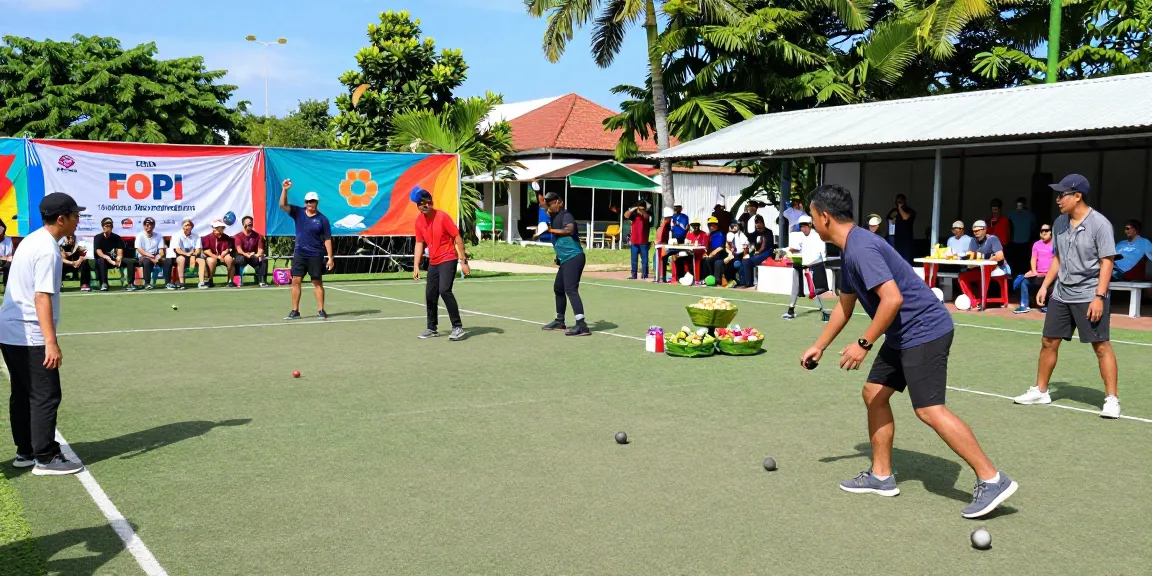
Petanque, a sport cherished by enthusiasts around the globe, has a unique history that intertwines with various cultures. In Indonesia, the ascent of petanque remains a fascinating narrative, specifically in regions like Kota Tomohon. As a critical hub for the development of this sport, Kota Tomohon has seen a growing interest in petanque, largely attributed to organizations like the Federasi Olahraga Petanque Indonesia (FOPI). For anyone looking to explore the richness of Indonesian petanque, fopikotatomohon.org serves as a comprehensive resource.
Origins of Petanque in Indonesia
The origins of petanque in Indonesia can be traced back to the early interactions with French expatriates, primarily in urban locales such as Jakarta, Lombok, Yogyakarta, and Bali. These expatriates introduced the game to local communities, establishing infrastructure and facilities often associated with French-managed hotels. Notably, venues like the Hotel Novotel in Kuta and Hotel Horizon in Ancol played pivotal roles in familiarizing locals with this French pastime. As expatriates played among themselves, the local population observed and gradually began to engage with the sport.
Growth and Development of FOPI Kota Tomohon
The establishment of the Federasi Olahraga Petanque Indonesia (FOPI) in 2011 marked a significant milestone in the promotion of petanque in Indonesia. Under the auspices of FOPI Provinsi Sulawesi Utara, FOPI Kota Tomohon is responsible for overseeing and fostering the growth of petanque within the region. The organization seeks to cultivate talent and facilitate competitions, ultimately aiming to position Indonesian athletes on prestigious platforms like the SEA Games.
Influential Figures in Petanque History
Among the notable figures in the Indonesian petanque scene, Eddie Lim stands out. Hailing from Singapore, Lim encountered petanque in the 1990s at Ancol, Jakarta. His journey didn’t just end with learning; he propagated the sport back to Singapore, highlighting the ripple effect personal experiences can create in international sports. This exchange underscores the interconnectedness of sports communities, especially as they evolve and adapt through cultural exchanges.
Getting Started with Petanque
For newcomers to the sport of petanque, understanding the fundamentals can enhance the experience immensely. Choosing the right equipment and familiarizing oneself with the techniques involved can pave the way for enjoyable gameplay. Beginners often find it advantageous to connect with established communities, such as FOPI Kota Tomohon, which not only provide guidance but also foster an environment of learning and enhancement.
Choosing the Right Boules for Beginners
The first step in embarking on your petanque journey is selecting the right boules. Boules come in varying materials, weights, and sizes, which can impact your performance and comfort. For beginners, it is advisable to choose a pair that is not too heavy but offers a good grip. Consider trying out different boules at your local petanque club or during practice sessions to find what feels best for you.
Essential Gear and Accessories You Need
In addition to boules, players may benefit from a few essential accessories. These include:
- Measuring Tape: Handy for determining the distance to the cochonnet.
- Carrying Case: Protects boules and makes transportation easier.
- Comfortable Footwear: Ensures stability and support on the court.
Setting Up Your Petanque Court
Setting up a petanque court does not require excessive space; a flat surface with a length of roughly 15-20 meters and a width of 4 meters is adequate. If you have access to gravel or dirt, this can enhance the play experience. Mark the boundaries clearly, and secure a cochonnet (the small target ball) for play. An ideal environment promotes not just competitive spirit but also camaraderie among players.
Techniques and Strategies for Better Play
Mastering petanque requires understanding both basic techniques and strategic play. Developing your skills can enhance your enjoyment and effectiveness on the court. Practicing consistently, along with engaging with more experienced players, can provide invaluable insights and greatly improve your game.
Basic Throwing Techniques and Tips
Throwing techniques are fundamental in petanque. Beginners should focus on:
- Stance: A balanced and stable stance allows for better control.
- Aim: Visualize the target before throwing; consistency comes with practice.
- Follow-through: A smooth follow-through helps improve accuracy.
Strategizing During a Match: Offense vs Defense
During a match, understanding when to play offensively and defensively is crucial. Offensively, players should aim to land their boules close to the cochonnet. Defensively, one may consider placing boules strategically to obstruct opponents’ paths or diminish their scoring potential. Observing and reacting to opponents’ movements can offer a tactical advantage.
Common Mistakes to Avoid as a Beginner
New players often make common mistakes, including:
- Inconsistent throwing techniques which lead to erratic throws.
- Failing to communicate effectively with teammates.
- Neglecting to assess the playing field before each round.
Awareness and correction of these mistakes can significantly improve your gameplay experience and success rate.
Joining the Petanque Community
Being part of a broader community can greatly enrich your petanque experience. Engaging with local clubs, participating in events, and building relationships with fellow players can offer support and encouragement.
Finding Local Clubs and Competitions
Many local petanque clubs welcome newcomers. Competitions are often organized by regional federations, making it easier to find opportunities to play. Utilizing online resources and social media can help you stay informed about upcoming events. Active participation allows for networking and skill-building within the community.
Engaging with the FOPI Kota Tomohon Community
FOPI Kota Tomohon offers a vibrant community for enthusiasts. Through workshops, training sessions, and friendly matches, members can hone their skills and enjoy the camaraderie of fellow petanque lovers. Being active in this community can lead to improving your skills and finding potential mentors.
Benefits of Participating in Local Tournaments
Local tournaments not only provide competitive experience but also foster a sense of community. They allow players to measure their progress and learn from their peers. Engaging in tournaments can also be a great way to discover new strategies and gameplay styles.
The Future of Petanque in Indonesia
As petanque continues to grow in Indonesia, it’s essential to keep an eye on future developments. The increasing popularity of this sport signals a promising future for players of all levels.
Emerging Trends and Developments by 2026
By 2026, trends in petanque are anticipated to include increased youth involvement and the establishment of more structured competitions. The emphasis on inclusivity could lead to a diverse range of players across various demographics.
Supporting Youth Involvement and Education
Encouraging young people to participate in petanque is crucial for the sport’s longevity. Schools and community organizations can play significant roles in introducing the sport to younger generations, thereby ensuring a steady influx of new players and champions.
Keeping the Game Relevant in a Modern Context
Maintaining the relevance of petanque in today’s fast-paced world requires adaptation and innovation. Integrating technology for training, promoting online communities, and leveraging social media can significantly enhance engagement and attract new players, ensuring the sport flourishes for years to come.
What is Petanque and how is it played?
Petanque is a precision sport where players throw metal balls, called boules, toward a small wooden ball known as the cochonnet. The objective is to place your boules closer to the cochonnet than your opponents. Understanding the rules and nuances of gameplay is fundamental to enjoying this sport.
How can I join the FOPI Kota Tomohon community?
Joining the FOPI Kota Tomohon community is as simple as reaching out via social media or their official website and expressing your interest in participating in local activities or events.
What equipment do I need to start playing Petanque?
To start playing petanque, you need boules, a measuring tape, and a cochonnet. It’s advisable to wear comfortable clothing and footwear suited for outdoor play.
Are there local tournaments I can participate in?
Yes, various local tournaments are organized throughout the year by clubs and federations, providing ample opportunities for participation and competition.
What tips can help improve my Petanque skills?
Improving your petanque skills involves practice, learning from experienced players, and understanding the strategic elements of the game. Engaging in community activities can also provide valuable insights and foster skill enhancement.