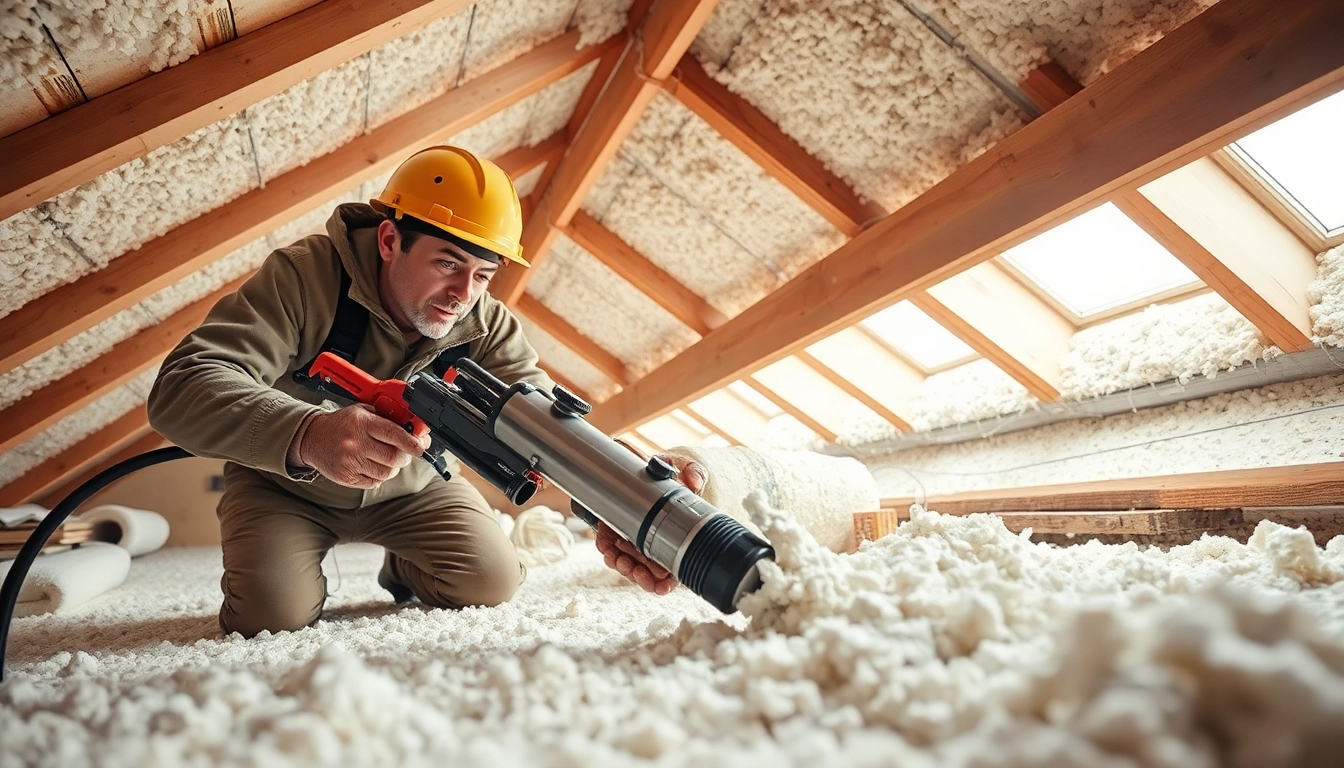
Understanding Spray Foam Removal Hampshire
What is Spray Foam Removal?
Spray foam removal is the process of removing polyurethane spray foam insulation, which is often used for its superior insulation and air sealing properties. Over time, however, this material can deteriorate or become an issue, prompting the need for professional removal. Whether due to improper installation, water damage, or a desire to replace the material with more sustainable options, spray foam removal is a critical service that ensures the safety and comfort of your living or working space.
Why is it Necessary?
There are various reasons why spray foam removal may be necessary. For instance, failing spray foam can lead to moisture retention, mold growth, and decreased air quality, all of which can pose significant health risks to occupants. Additionally, disposal of old insulation allows for the installation of modern, energy-efficient alternatives. This enhances insulation effectiveness and promotes environmentally friendly practices. Thus, opting for spray foam removal Hampshire can safeguard property integrity while improving living conditions.
Benefits of Professional Services
Engaging professional services for spray foam removal comes with numerous benefits. Experts are trained to handle the complexities involved, ensuring that the job is completed efficiently and safely. They possess the right tools and techniques to eliminate the foam without damaging the underlying structures. Furthermore, a professional team understands the regulatory requirements for disposal, providing peace of mind that the work complies with local standards. For those contemplating spray foam removal Hampshire, professional services are invaluable for swift and effective results.
Preparation for Spray Foam Removal Hampshire
Assessing the Area
Preparation for spray foam removal begins with a thorough assessment of the area. This involves identifying the location of the foam, examining its condition, and understanding how it interacts with surrounding materials. Homeowners should look for signs of moisture, damage, or decay that may complicate the removal process. This assessment allows professionals to strategize effectively, ensuring that all potential challenges are addressed before commencing work.
Gathering Necessary Tools
Effective spray foam removal requires specific tools and equipment. Essential items include protective gear (gloves, masks, and goggles), mechanical scrapers or removal devices, vacuum equipment, and solvents if needed. Having the right tools on hand is crucial for a safe and efficient removal process. Professionals often utilize industrial-grade equipment that ensures thorough suctioning and cleaning of residual materials after foam removal.
Safety Precautions
Safety during the removal process cannot be overstated. Spray foam can release harmful particles and chemicals when disturbed, making it essential to follow rigorous safety protocols. Workers should use appropriate personal protective equipment (PPE) to shield against exposure. Moreover, proper ventilation is crucial; keeping windows and doors open can help mitigate harmful fumes. Homeowners should also vacate the area during removal to avoid inhaling any harmful substances.
Techniques for Effective Spray Foam Removal
Mechanical Methods
Mechanical methods are the most common approach to spray foam removal. Techniques such as scraping, grinding, or cutting are employed to physically eliminate the foam. Professionals use specialized tools to ensure a clean removal that minimizes damage to underlying surfaces. This method is often effective for larger areas or for foam that has not been in place for long, as it allows for the immediate removal of the bulk material.
Chemical Solutions
In cases where mechanical removal is challenging, chemical solutions may be employed. These solvents break down the chemical bonds in the foam, easing the removal process. While effective, these chemicals should be used with caution, as they can pose health risks if not handled properly. Professionals are trained in the use of these materials, ensuring they adhere to safety guidelines throughout the process.
Choosing the Right Technique
Selecting the appropriate technique for spray foam removal depends on various factors, including the foam’s type, age, and condition. Professionals assess these elements during the initial evaluation and recommend the best course of action. In many cases, a combination of mechanical and chemical methods achieves the best results, ensuring thorough removal without compromising safety or the integrity of the building.
Post Removal Process in Spray Foam Removal Hampshire
Cleaning Up Residues
Once the spray foam has been removed, cleaning up residual materials is essential. This may involve vacuuming particles, wiping surfaces with solvents, and ensuring no adhesives remain. Professionals often conduct thorough clean-up sessions to leave the area pristine, facilitating a seamless transition to new insulation or remodeling. This step is crucial for preventing issues in the future, including mold growth or structural damage.
Repairing Damages
During the removal process, it is not uncommon for underlying structures to sustain damage. Thus, repairing any compromised areas is an important aspect of the post-removal phase. This may involve patching holes, replacing damaged drywall, or addressing water damage to ensure a solid foundation for future work. Homeowners should consult with professionals to accurately assess needed repairs and ensure that everything is restored to its original condition.
Preventive Measures for Future
After completing the removal and repair processes, it is wise to consider preventive measures to avoid future foam issues. Regular inspections are vital to catch signs of wear before they worsen. Homeowners can also explore alternative insulation options that might better suit their needs, such as cellulose or fiberglass, which can reduce the chances of moisture-related problems. Overall, having a preventative maintenance plan can significantly enhance property longevity and occupant safety.
FAQs About Spray Foam Removal Hampshire
How long does spray foam removal take?
The duration of spray foam removal depends on the area size, the amount of foam, and the techniques used. Generally, it can take a few hours to a full day.
Is it safe to stay in the house during removal?
It is advisable to vacate the premises during the removal process due to potential harmful fumes and dust released by the foam.
Can I remove spray foam myself?
While DIY methods are possible, they are not recommended due to health risks and the potential for improper removal that could damage your home.
What are the costs associated with removal?
Costs can vary widely based on the area, foam type, and disposal requirements. Consulting professionals can provide a more accurate estimate tailored to your situation.
How often should spray foam be inspected?
It is advisable to inspect spray foam insulation every one to three years, especially in high-moisture areas, to address any potential issues proactively.