Understanding the Concept of a Solarium Room
What is a Solarium Room?
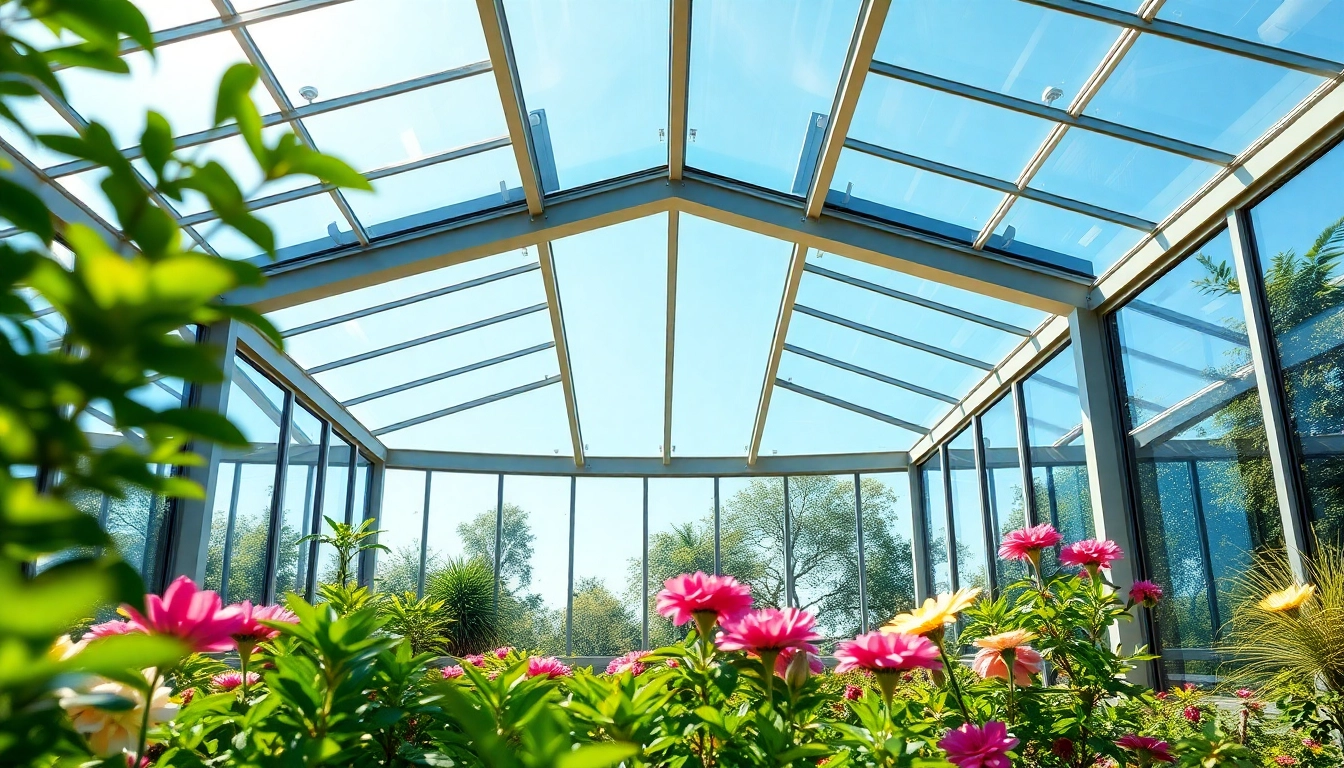
A solarium room is a uniquely designed extension of a home specifically constructed to maximize sunlight exposure. Unlike traditional sunrooms, solariums consist of all-glass walls and roofs, allowing for unobstructed views of the outside while ensuring a seamless connection with nature. These architectural marvels can be used for a variety of purposes, from a tranquil retreat to a vibrant greenhouse. The design emphasizes light and open space, creating an atmosphere that can uplift mood and enhance daily living. If you’re considering adding a solarium room to your home, understanding its unique characteristics is crucial for making informed decisions.
Benefits of Adding a Solarium Room
The advantages of incorporating a solarium room into your residence are numerous. First and foremost, solariums create a bright and airy environment that can improve your overall well-being. Here are some notable benefits:
- Natural Light: Solarium rooms harness sunlight, significantly reducing reliance on artificial lighting during the day. This aspect can lead to lower energy costs and a more environmentally friendly home.
- Increased Property Value: Homes with solariums often have higher market values, as prospective buyers appreciate the added living space and aesthetic appeal.
- Versatile Usage: Solarium rooms can function as greenhouses, relaxation spaces, or cozy reading nooks, making them incredibly versatile.
- Connection to Nature: With large glass walls and ceilings, solariums allow you to bring the outdoors in, fostering a greater connection with nature while enjoying shelter.
- Year-Round Enjoyment: Heated and insulated solarium rooms can be utilized throughout the year, providing a warm haven even in winter.
Differences Between Solarium Room and Sunroom
While often used interchangeably, solariums and sunrooms are not the same. Understanding these differences can help homeowners make the right choice for their needs. Here’s a breakdown:
- Structure: A solarium room is entirely made of glass, allowing for maximum sunlight and views. In contrast, sunrooms may incorporate traditional walls and ceilings.
- Design Intent: Solariums are primarily designed for soaking up sunlight and creating a greenhouse effect, while sunrooms may serve various functions as an outdoor living area.
- Climate Control: Most solariums are equipped with advanced HVAC systems for efficient temperature regulation year-round, whereas sunrooms may only provide seasonal comfort.
- Usage: Solariums can function as greenhouses, providing a perfect environment for plants, while sunrooms are often more recreational.
Designing Your Ideal Solarium Room
Key Design Elements for a Solarium Room
When embarking on the journey to design your solarium, certain elements must be prioritized to achieve an enchanting and functional space:
- Layout: Consider how you will use the space. Will it be for relaxing, gardening, or entertaining? A well-planned layout maximizes functionality.
- Furniture: Opt for comfortable and weather-resistant furniture that complements the room's aesthetic. Materials like wicker or teak are popular due to their durability.
- Lighting: Incorporate varied light sources for after sunset. Adjustable LED lights or pendant fixtures can create ambiance while ensuring functionality.
Material Choices for Your Solarium Room
The materials used in constructing a solarium room significantly impact its performance and aesthetics. Key materials include:
- Glass: Choose high-performance tempered or low-E glass, which provides insulation and reduces UV light while maximizing sunlight.
- Frames: Look for durable frames made from aluminum or vinyl for longevity and minimal maintenance.
- Flooring: Consider materials such as tile, natural stone, or hardwood that can withstand varying humidity levels.
Incorporating Sustainable Features in a Solarium Room
Integrating sustainable features into your solarium room can enhance its efficiency and lessen its environmental footprint. Some eco-friendly considerations include:
- Solar Panels: Installing solar panels can provide renewable energy, offsetting utility costs associated with heating and cooling.
- Rainwater Harvesting: Collecting rainwater for irrigation or other uses can help conserve water.
- Green Roofs: Adding vegetation to the rooftop can improve insulation and promote biodiversity.
Cost Factors Involved in Building a Solarium Room
Average Costs for Solarium Room Construction
The costs involved in building a solarium room can vary widely based on several factors:
1. Size: Larger solariums typically cost more due to additional materials and labor.
2. Construction Type: Whether it’s a DIY project or needs professional contractors will affect total expenses.
3. Material Quality: Higher-grade glass and framing materials will naturally lead to increased costs.
On average, homeowners can expect spending between $30,000 to $75,000, depending on these variables.
Financing Options for Your Solarium Room
Financing a solarium room can be easier with several options available. Home equity loans, personal loans, and specific financing through construction companies can provide the necessary funds. Additionally, consider checking if local government grants or incentives exist for energy-efficient home improvements.
Value Increase from a Solarium Room Addition
Investing in a solarium room can yield a substantial return on investment (ROI). According to real estate experts, adding a solarium can increase your home's value between 10% to 15%. It's an attractive feature to potential buyers, enhancing the curb appeal and providing extra functional space.
Maintenance Tips for a Solarium Room
Cleaning Glass Walls in Your Solarium Room
Maintaining the clarity and shine of glass walls in your solarium is crucial. Use a squeegee combined with a gentle glass cleaner to prevent streaks. For stubborn stains, warm soapy water works effectively. Regular cleaning—ideally monthly—will make sure the views remain unobscured.
Seasonal Maintenance for Solarium Room
Seasonal maintenance is crucial for keeping your solarium room in top condition. Check weather seals to prevent leaks during rainy seasons and ensure ventilation systems function correctly to combat humidity. In winter, inspect insulation measures to retain heat, while in summer, consider shade solutions to mitigate excessive heat gain.
Preventing Common Issues in a Solarium Room
To avoid common problems like condensation or pests, ensure proper ventilation and humidity control. Regularly inspect for any structural issues or insect infestations. Investing in automated systems, such as retractable screens or smart vents, can help manage the indoor environment effectively.
Frequently Asked Questions about Solarium Rooms
Are solarium rooms energy efficient?
Yes, solarium rooms can be energy efficient, especially when constructed with high-performance glass and quality insulation. Proper design ensures minimal energy loss.
Can I use my solarium room year-round?
Absolutely! With adequate heating and cooling systems, solarium rooms can be enjoyed in any season, providing a comfortable indoor environment year-round.
How does a solarium room differ from a greenhouse?
A solarium room is primarily designed for human use, while a greenhouse is specifically constructed to nurture plants. Solariums focus on aesthetics and living space.
What plants work best in a solarium room?
Plants that thrive in bright, direct sunlight—such as succulents, orchids, and tropical plants—make ideal choices for a solarium room, enhancing both beauty and air quality.
Can I customize the design of my solarium room?
Indeed! Solarium designs can be tailored to fit your specific requirements, including layout, materials, and interior décor, ensuring a unique and personalized space.