Understanding Central Heating System Leaks
Central heating systems are vital for maintaining a comfortable indoor environment, especially in colder climates. However, leaks within these systems can lead to significant issues, including increased energy costs and potential damage to your property. Identifying central heating leaks promptly is crucial to ensure your system operates efficiently and effectively. When exploring options, central heating leak detection provides comprehensive insights into preventing further damage and maintaining the integrity of your heating infrastructure.
Common Causes of Central Heating Leaks
Understanding the various causes of leaks in central heating systems is essential for homeowners and property managers. Here are some common culprits:
- Corroded Pipes: Age and wear can lead to rust and corrosion, weakening pipes and causing leaks.
- Faulty Fittings: Connections and joints can degrade over time, leading to leaks at critical junctions.
- Pressure Issues: Excessive pressure within the system can stress pipes and fittings, resulting in leaks.
- Temperature Fluctuations: Regular heating and cooling can cause expansion and contraction, weakening joints and seals.
Signs Indicating a Leak in Your System
Detecting leaks early can save homeowners from expensive repairs. Here are some key signs of a central heating leak:
- Dropping Pressure: An unexplained decrease in pressure can indicate a leak.
- Water Accumulation: Puddles of water near radiators or the boiler are obvious signs of leakage.
- Increased Energy Bills: A sudden spike in your energy bills may indicate inefficient heating due to leaks.
- Noise: Hissing or gurgling sounds can signify escaping water within the system.
How Leaks Impact Energy Efficiency
Leaks in central heating systems can significantly reduce energy efficiency. When warm water escapes, the system must work harder to maintain the desired temperature, leading to:
- Higher energy consumption and increased utility bills
- Potential damage to the heating system, requiring costly repairs
- Increased carbon footprint due to inefficient operation
Advanced Techniques for Central Heating Leak Detection
Modern technology enhances the accuracy and efficiency of leak detection in central heating systems. This section outlines several advanced techniques used by professionals to pinpoint leaks quickly and effectively.
Thermal Imaging: How It Works
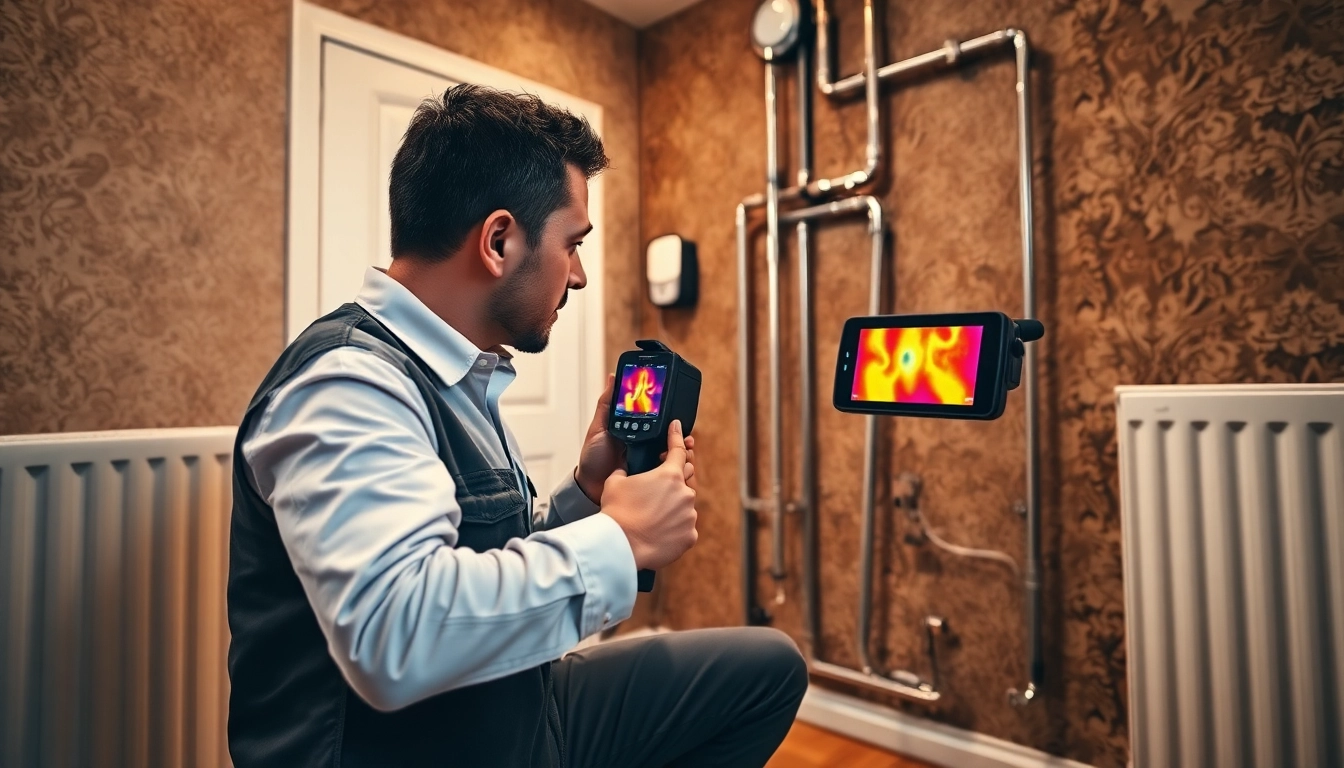
Thermal imaging is a non-invasive method that detects heat differences in surfaces. When applied to central heating systems, it can reveal:
- Hot spots where heat escapes due to leaks
- Cold spots that may indicate underlying issues such as poor insulation or leaking pipes
Technicians utilize thermal cameras to scan walls, floors, and ceilings, providing a visual representation of the temperature variations within the system.
Acoustic Listening Devices: Detecting Hidden Sounds
Acoustic leak detection involves using sensitive microphones to listen for the sound of water escaping from pipes. This technique can identify leaks that are:
- Buried underground or within walls
- Located in hard-to-reach areas
By analyzing the sound frequency and characteristics, professionals can determine the exact location of a leak without causing unnecessary damage.
Tracer Gas Detection: A Safe Approach
Tracer gas detection employs a safe, odorless gas that is introduced into the heating system. It is particularly effective for:
- Small or inaccessible leaks
- Testing complex systems with numerous junctions
As the gas escapes through a leak, it is monitored using specialized detection equipment, allowing for precise localization of the leak.
Preventing Leaks in Central Heating Systems
Preventing leaks involves regular maintenance and proactive measures. By taking these steps, homeowners can significantly reduce the likelihood of encountering leaks:
Regular Maintenance Tips for Homeowners
Implementing a routine maintenance schedule can help identify potential issues before they escalate. Consider the following:
- Annual inspections by a certified technician
- Regular bleeding of radiators to remove trapped air
- Checking for signs of corrosion on pipes and fittings
Signs That Indicate Your Heating System Needs Attention
Be vigilant for signs that your central heating system may require professional attention, such as:
- Inconsistent heating across different rooms
- Unusual noises emanating from the boiler or radiators
- Visible rust or corrosion on pipes
Best Practices for System Upgrades and Replacement
When upgrading or replacing your central heating system, consider the following:
- Investing in quality materials and components
- Choosing energy-efficient systems to reduce long-term costs
- Consulting with professionals for installation and configuration
Cost Considerations for Leak Detection Services
Understanding the costs associated with leak detection services can help homeowners budget effectively for potential issues. The following sections provide insights into pricing structures and what to expect.
Understanding Pricing Structures
Leak detection services typically vary in cost based on several factors, including:
- Type of detection method used
- Complexity of the heating system
- Accessibility of the suspected leak area
On average, homeowners can expect to pay between £500 to £800 for professional leak detection services.
What to Expect in Your Leak Detection Quote
A standard leak detection quote should include:
- A detailed breakdown of services provided
- Estimated time for completion
- Additional repair costs if leaks are found
Insurance Coverage for Leak Detection Services
Most home insurance policies cover the costs associated with finding and repairing a leak, provided that the homeowner follows the proper reporting protocols. It's advisable to:
- Review your insurance policy for specific coverage details
- Document any evidence of leaks thoroughly
- Contact your insurance provider promptly once a leak is suspected
Future Trends in Central Heating Leak Detection
The field of leak detection is evolving rapidly, with innovations shaping the future of how homeowners and professionals approach this critical aspect of home maintenance.
Emerging Technologies for Leak Management
New technologies are emerging that promise to enhance leak detection efficiency, such as:
- Smart monitoring systems that alert homeowners to potential leaks
- Advanced sensors integrated into heating systems for real-time monitoring
Predicted Changes in Leak Detection Methodologies
As technology progresses, we can expect a shift towards more automated and integrated leak detection solutions. These advancements will:
- Reduce the time required for leak detection
- Enhance accuracy in pinpointing leak locations
The Importance of Sustainability in Leak Detection
With growing concerns about environmental sustainability, leak detection services are increasingly focusing on minimizing waste and energy use. Future trends may include:
- Utilizing eco-friendly materials and methods
- Promoting efficient heat management to reduce the carbon footprint
In conclusion, being informed about central heating leaks and utilizing advanced detection methods can save homeowners significant costs and ensure the long-term efficiency of their heating systems. Regular maintenance, proactive measures, and awareness of advancements in technology are key to securing a safe and efficient home heating environment.