Understanding the Landscape of Sports Broadcasting
Overview of Sports Broadcasting
Sports broadcasting serves as a critical channel for delivering live sports events, commentary, and analysis to a vast audience via various media platforms. As fans seek real-time engagement with their favorite teams and athletes, broadcasters play a pivotal role in enhancing the viewer experience by providing comprehensive coverage. This includes pre-game content, in-game commentary, and post-game analysis, all tailored to inform and entertain sports enthusiasts. As the digital landscape evolves, Sports Broadcasting is becoming increasingly dynamic, adapting to changes in consumer behavior and technology.
Key Players in the Industry
The sports broadcasting industry comprises diverse stakeholders, including broadcasters, content creators, sports organizations, advertisers, and viewers. Major broadcasting networks dominate the television landscape, while streaming platforms are increasingly gaining popularity. Content creators, including journalists and analysts, contribute to an ecosystem that supports in-depth storytelling and analysis. Viewers are considered one of the most vital elements, as their preferences and engagement dictate the types of content that gain traction in the market.
The Evolution of Sports Broadcasting
Sports broadcasting has undergone significant transformation over the decades. Initially limited to radio broadcasts, the industry saw monumental shifts with the advent of television. New technologies like satellite communication revolutionized how games are transmitted. The shift has expanded from standard-definition to high-definition broadcasts and now to 4K and immersive experiences like augmented and virtual reality. Recent years marked a move away from traditional cable subscriptions towards on-demand streaming, allowing viewers to watch events across devices, ushering in a new era for the industry.
Essential Technologies in Sports Broadcasting
Broadcasting Equipment and Software
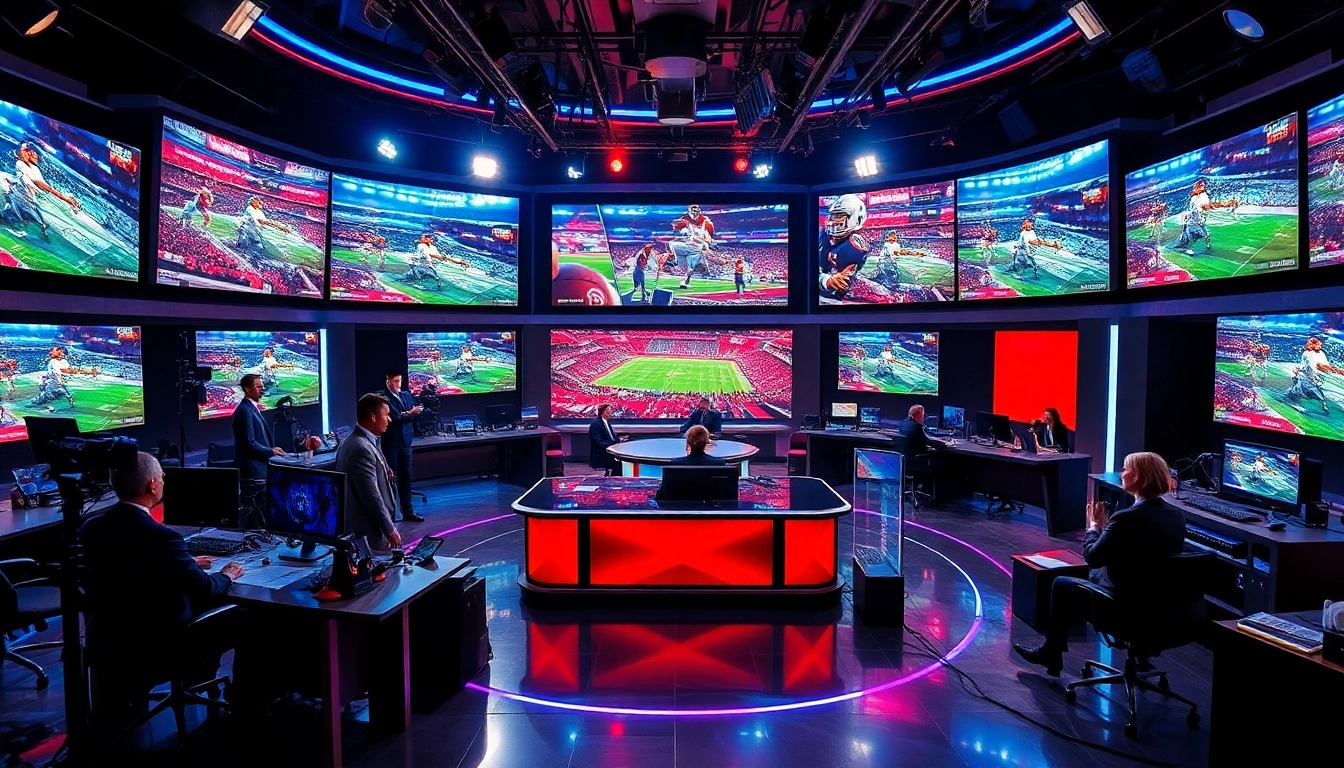
At the core of effective sports broadcasting lies advanced equipment and software. High-definition cameras capable of capturing fast-paced action, along with audio equipment ensuring clear commentary, form the backbone of live broadcasts. Furthermore, graphic software is essential for displaying real-time stats and replays, enhancing viewer engagement. Renowned software solutions allow for seamless transitions between live feeds, recordings, and graphics, effectively maintaining the flow of the broadcast.
Importance of Live Streaming
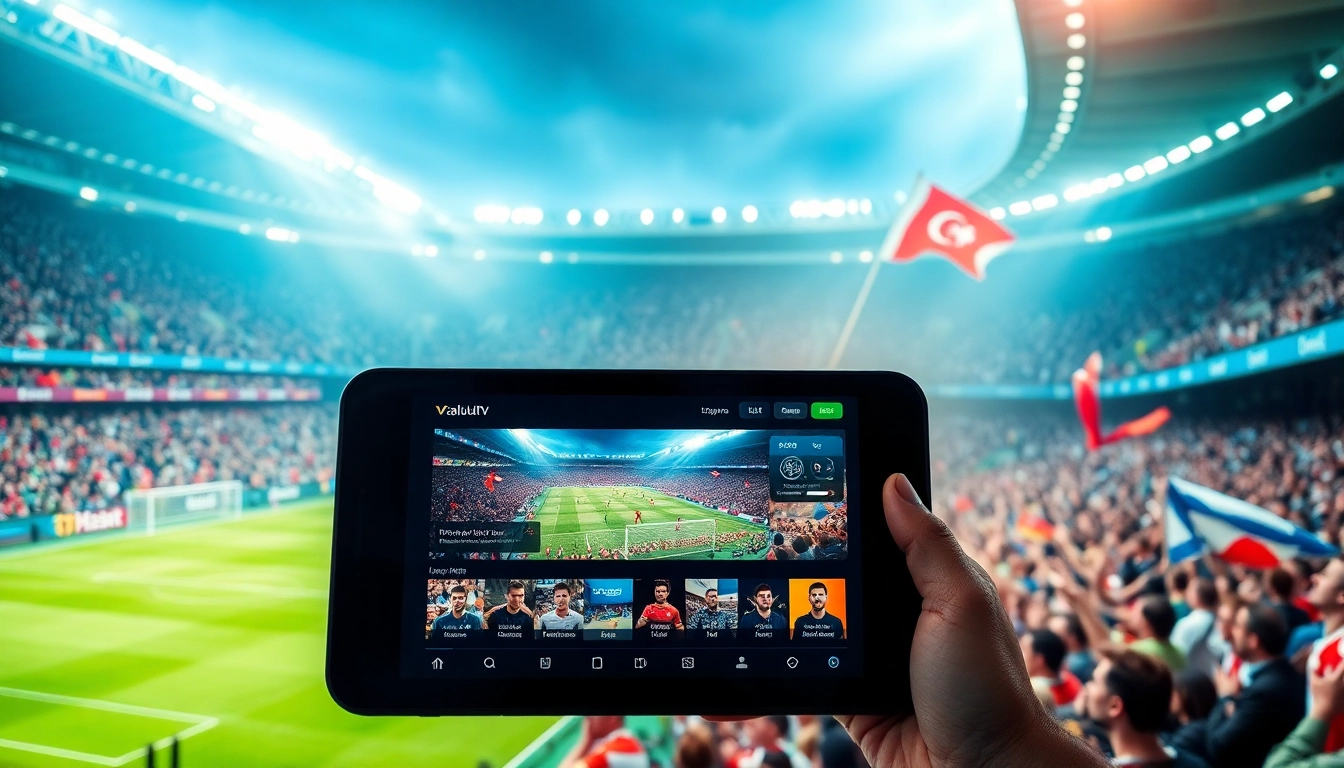
As sports fans increasingly prefer flexibility in how they consume content, live streaming has become indispensable. This method allows viewers to watch games on various devices, including smartphones, tablets, and smart TVs. The real-time aspect of live streaming fosters community engagement, enabling fans to interact through social media while the event unfolds. Moreover, the democratization of content creation empowers small teams and independent broadcasters to reach an audience, challenging traditional media players.
Emerging Technologies in Sports Broadcasting
The rush of emerging technologies promises to reshape sports broadcasting considerably. AI and machine learning are paving the way for automated highlights and personalized content delivery. Virtual and augmented reality experiences create immersive viewing environments, allowing for a richer fan engagement experience. Additionally, blockchain technology is on the horizon, offering robust solutions for rights management and even fan engagement through tokenization. These technologies signal a departure from traditional broadcasting models, promising innovations that will engage viewers in unprecedented ways.
Best Practices for Content Creation in Sports Broadcasting
Engaging Your Audience
In the arena of sports broadcasting, audience engagement is paramount. Strategies to captivate audiences include hosting Q&A sessions during broadcasts, featuring fan polls, and utilizing live commentary to involve viewers in the conversation. Understanding the demographics and interests of your audience helps tailor content that resonates with them, making the viewing experience more interactive and enjoyable.
Storytelling Techniques
Compelling storytelling is an art form critical to the success of sports broadcasting. Crafting narratives around the athletes, their backgrounds, rivalries, and career milestones creates an emotional connection with the audience. Utilizing various storytelling formats, such as long-form features, profiles, and short segments, can enrich the content available during broadcasts, ensuring that viewers remain engaged throughout the experience.
Leveraging Social Media
Social media platforms serve as powerful tools for driving viewer engagement in sports broadcasting. Broadcasters can share snippets of highlights, behind-the-scenes footage, and live updates to keep fans informed and interested. Engaging with fans through polls, commentaries, and responding to viewer queries creates a sense of community and can significantly enhance viewership loyalty. Integrating social media strategies into the sports broadcast plan can yield substantial dividends in terms of audience retention.
Challenges Facing Sports Broadcasting Today
Addressing Viewer Fatigue
Viewer fatigue has become a prevalent challenge for sports broadcasters in the modern era. With an overload of content available across platforms, audiences may find it overwhelming to choose what to watch. To tackle this, broadcasters can curate their programming more strategically, creating a highlight reel or offering themed segments to keep content fresh and exciting. Understanding audience analytics can also help tailor broadcasts to their preferences, ensuring that the content remains relevant and impactful.
Meeting Regulatory Requirements
Regulatory compliance remains a significant hurdle for sports broadcasters operating in a global environment where laws and guidelines differ by region. Features such as licensing, broadcasting rights, and advertising regulations must be diligently followed to avoid penalties. Establishing robust compliance programs and regularly training staff can help ensure adherence to these regulations while maintaining the integrity of the broadcasts.
Combatting Piracy in Sports Broadcasting
As the demand for live sports continues to soar, so does the prevalence of content piracy. Piracy not only impacts broadcasting revenue but also affects the quality of viewer experience. Sports broadcasters must invest in anti-piracy technologies, employ strong legal measures, and educate viewers on the value of legitimate subscriptions. Collaboration with technology firms to create robust security frameworks is vital in the fight against piracy, preserving the integrity of broadcasts.
Measuring Success in Sports Broadcasting
Key Performance Indicators
To evaluate effectiveness in sports broadcasting, key performance indicators (KPIs) must be established. Metrics such as viewer ratings, engagement levels, and growth in audience reach are crucial. Additionally, analyzing revenue metrics, like advertising income and subscription levels, will provide insights into financial performance. Regularly monitoring these KPIs supports the adjustment of broadcasting strategies to align with audience preferences and market demands.
Audience Analytics Tools
With an uptick in data-driven approaches, audience analytics tools have become essential in measuring viewer behavior and preferences. Platforms that aggregate viewer data across social media and streaming services offer actionable insights for broadcasters. Utilizing analytics allows for a more informed approach to programming decisions, ultimately enhancing the viewer’s experience and increasing engagement levels over time.
Future Trends in Sports Broadcasting
The future of sports broadcasting is set for an exciting evolution. Innovations such as AI-driven content personalization, enhanced virtual reality experiences, and interactive viewing options will redefine how fans consume sports. Furthermore, the integration of betting services into broadcasts may transform viewer engagement, as real-time updates on game statistics and betting options become commonplace. Staying ahead of these trends will be crucial for broadcasters aiming to capture the future marketplace.
FAQs
What does sports broadcasting entail?
Sports broadcasting involves the transmission of live sports events, commentary, and analysis through various media platforms, enhancing viewer engagement.
How has technology impacted sports broadcasting?
Technology has improved viewer experience via better coverage, live streaming, and interactive content, creating dynamic engagement opportunities.
What are the key challenges in sports broadcasting?
Challenges include viewer fatigue, regulatory compliance, and the risk of piracy that threaten audience engagement and revenue streams.
How can social media be leveraged in sports broadcasting?
Social media engages audiences with real-time updates, behind-the-scenes content, and fosters a direct connection with fans during broadcasts.
What metrics are important in measuring sports broadcasting success?
Key metrics include viewer ratings, audience growth, engagement levels, and financial performance, helping assess overall broadcasting effectiveness.