The Importance of Precision Die Casting in Malaysia
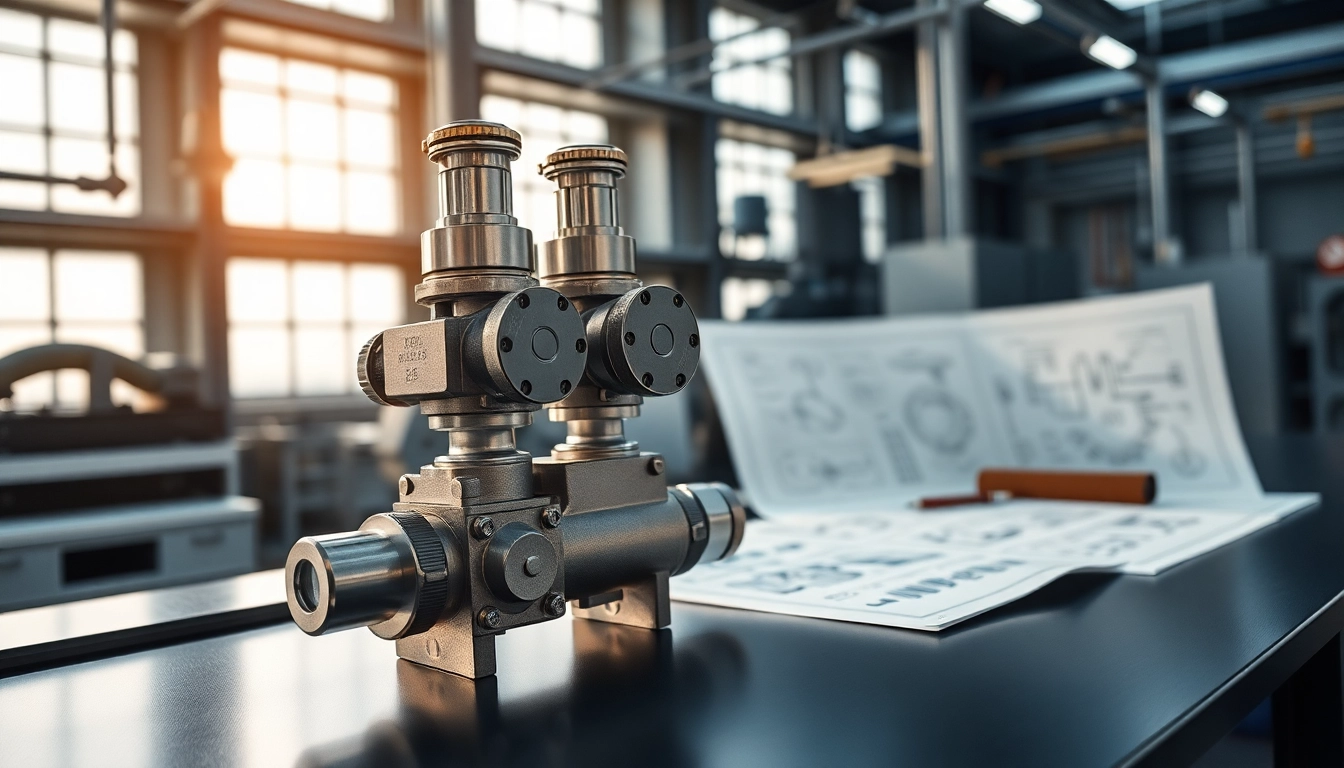
In the highly competitive manufacturing landscape of Southeast Asia, precision die casting has emerged as a pivotal technique for producing high-quality metal components. Malaysia, known for its robust industrial framework, stands out as a hub for precision die casting. This method not only facilitates the creation of intricate designs but also ensures superior dimensional accuracy and surface finish, making it essential for industries ranging from automotive to electronics. As companies strive for innovative solutions to meet the evolving demands of the market, understanding precision die casting becomes crucial for manufacturers and clients alike. When exploring options, precision die casting malaysia provides comprehensive insights into these transformative practices.
Understanding Precision Die Casting
Precision die casting is a manufacturing process that involves forcing molten metal into a mold cavity under high pressure. This process is distinct for its ability to produce parts with tight tolerances and complex geometries, which traditional casting methods often struggle to achieve. The two primary alloys used in precision die casting are aluminum and zinc, which are favored for their excellent mechanical properties and lightweight characteristics. These metals, through die casting, are transformed into components that may be utilized in high-stress applications, showcasing not only reliability but also performance efficiency.
Key Industries Utilizing Die Casting in Malaysia
- Automotive Industry: The automotive sector is one of the largest consumers of precision die-cast products, utilizing components such as engine blocks, transmission cases, and housings.
- Electronics: Precision die casting provides enclosures and components for electronic devices, ensuring durability and aesthetic appeal.
- Telecommunications: The rise of telecommunications demands high-quality castings for devices that require precision and reliability.
- Aerospace: With stringent safety standards, the aerospace industry increasingly relies on precision die casting to manufacture lightweight yet strong components.
Market Trends for Precision Die Casting in 2025
By 2025, the precision die casting market in Malaysia is expected to witness significant growth driven by technological advancements and increasing demand for lightweight materials. Innovations in alloy compositions and enhancements in casting techniques will enable manufacturers to improve efficiency and reduce production times. Additionally, environmental considerations will spur investment in sustainable practices, such as recycling scrap metal and minimizing waste during the casting process. These factors collectively shape the landscape of precision die casting, positioning Malaysia as a crucial player on the global stage.
Innovative Techniques in Precision Die Casting
Advanced Manufacturing Processes
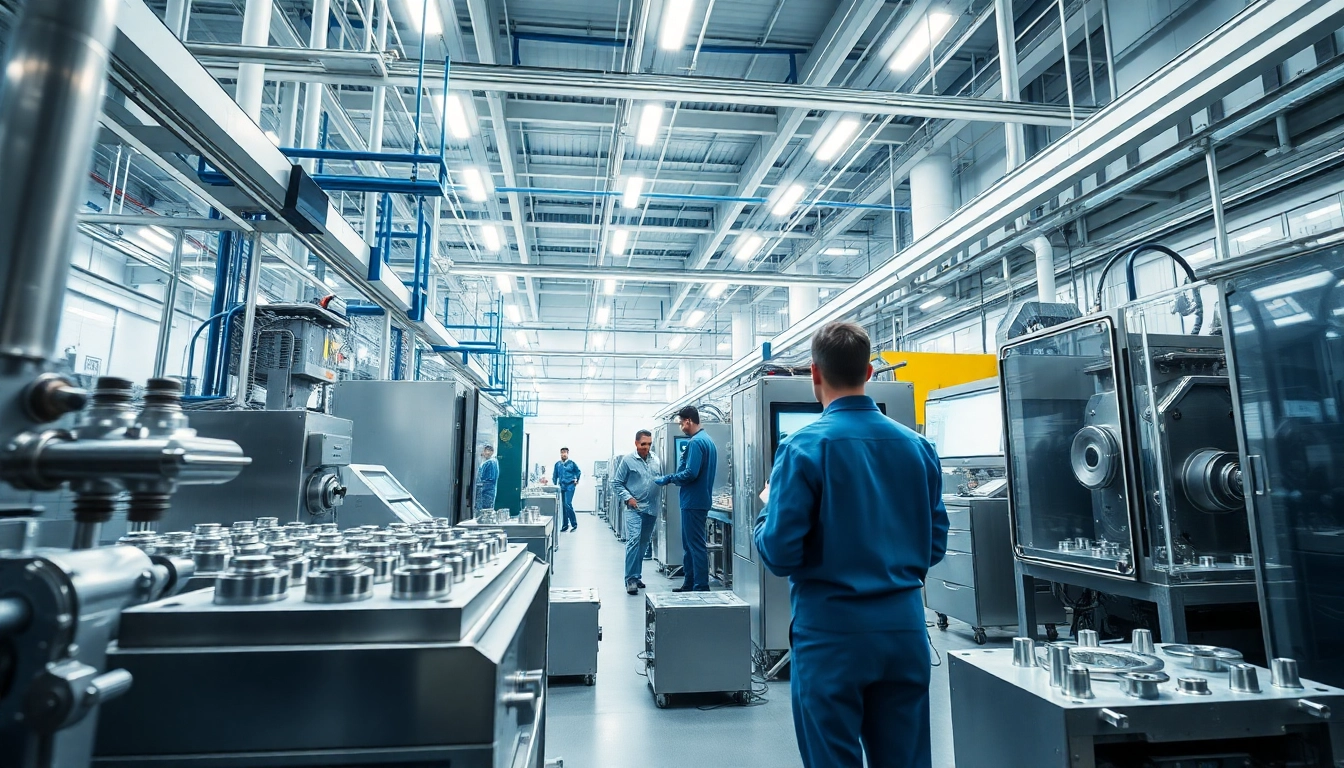
The die casting process has evolved considerably with the integration of advanced manufacturing technologies such as automation and robotics. Automated systems not only enhance the speed of production but also ensure consistent quality throughout the manufacturing cycle. Moreover, computer numerical control (CNC) machining complements die casting by providing post-casting precision machining capabilities, further refining component accuracy.
Material Selection for Optimal Performance
Choosing the right material is critical for ensuring the performance of die-cast components. Aluminum, known for its lightweight properties and excellent corrosion resistance, is widely used in various applications, especially in automotive and aerospace sectors. Zinc, on the other hand, is favored for smaller, more intricate components due to its high strength-to-weight ratio and better finishing capabilities. Emerging materials like magnesium and certain alloys are also being explored to meet specific application requirements.
Impact of Technology on Die Casting Efficiency
Technology plays a transformative role in enhancing die casting efficiency. The adoption of simulation software allows manufacturers to predict potential defects and optimize mold designs before production begins. Furthermore, advancements in die materials and coatings reduce thermal fatigue and enhance mold life, ensuring high-quality outputs over longer production runs. The continuous integration of new technologies will further refine processes, reduce costs, and improve product quality.
Quality Control in Die Casting Manufacturing
Standards and Certifications in Malaysia
Quality control is paramount in die casting manufacturing, and compliance with international standards is essential for delivering consistent performance. In Malaysia, manufacturers often adhere to ISO 9001 for quality management systems, which emphasizes continuous improvement and customer satisfaction. Other relevant certifications, such as ISO/TS 16949, cater specifically to the automotive sector and ensure that products meet rigorous industry standards.
Best Practices for Ensuring Quality
- Regular Inspections: Implementing frequent inspections during the casting process can help identify defects early and reduce waste.
- Employee Training: Investing in workforce training ensures that employees are skilled in both the technical and quality aspects of die casting.
- Data-Driven Decision Making: Utilizing data analytics to track defects and quality metrics can reveal trends and areas for improvement.
Real-World Case Studies of Quality Success
Many Malaysian manufacturers have successfully implemented rigorous quality control systems resulting in reduced defect rates and increased customer satisfaction. For example, HICOM Diecastings, renowned for its precision aluminum die casting, has achieved substantial improvements in output quality by adopting advanced inspection technologies. Their commitment to quality has not only solidified their reputation but also increased their competitiveness in the global market.
Challenges and Solutions in Die Casting
Common Obstacles Faced by Manufacturers
Despite the advantages of precision die casting, manufacturers in Malaysia face several challenges. These include fluctuating raw material prices, skilled labor shortages, and potential environmental regulations that could affect operational costs. Additionally, achieving consistent quality remains a pervasive issue, as minute variations in the manufacturing process can lead to significant defects.
Strategies for Overcoming Die Casting Challenges
- Investing in Technology: Embracing automation and advanced manufacturing technologies can mitigate labor shortages and enhance efficiency.
- Supplier Diversification: Establishing relationships with multiple suppliers can help stabilize raw material costs and improve supply chain resilience.
- Sustainability Initiatives: Adopting green manufacturing practices can reduce regulatory burden and improve public perception, ultimately benefiting the business.
The Future of Die Casting Solutions in Malaysia
The outlook for die casting in Malaysia is optimistic, as manufacturers adapt to emerging trends and technologies. As industries shift towards more sustainable practices, the focus on reducing waste and improving energy efficiency will catalyze innovation within the sector. Partnerships between manufacturers and technology providers will foster new developments in precision die casting, ensuring Malaysia remains competitive on a global scale.
Choosing the Right Die Casting Partner
Qualities to Look for in a Manufacturer
When selecting a die casting partner, several key attributes should be considered. These include:
- Experience and Expertise: Look for a manufacturer with a proven track record in precision die casting and knowledge of your industry.
- Quality Assurance Processes: Ensure they have robust quality control measures in place to deliver consistent products.
- Technical Capabilities: Evaluate their ability to handle complex designs and their investment in modern technologies.
Cost Considerations and Value Assessment
Cost is always a critical factor when choosing a die casting partner, but it should not be the sole determinant. It’s essential to assess the value provided by the manufacturer, including quality, lead times, and customer service. An investment in a higher-quality supplier may yield long-term benefits that outweigh initial savings.
How to Evaluate Potential Die Casting Companies
To effectively evaluate die casting companies, consider the following steps:
- Request Samples: Ask for sample components to assess their quality and adherence to specifications.
- Check References: Speak with current or previous clients to gauge satisfaction levels and operational reliability.
- Visit Facilities: If possible, visit the manufacturing facilities to observe their processes and quality controls in action.